
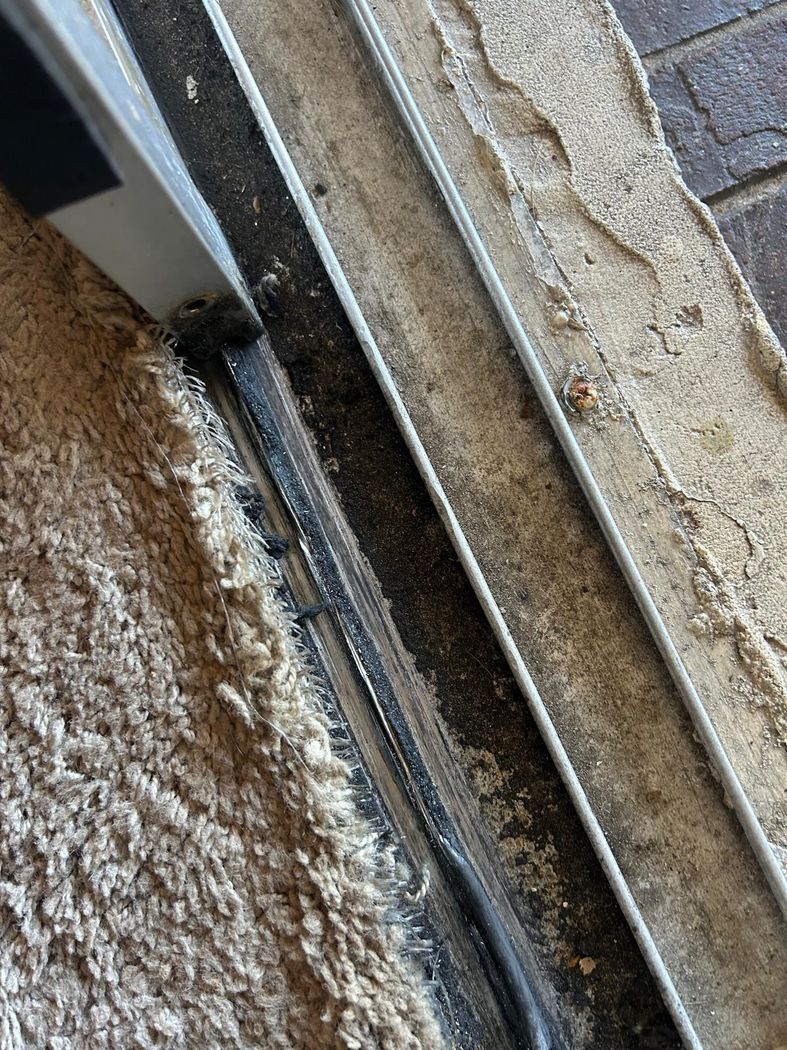
The most valuable sliding door maintenance is simple: keep the track clean and free of sand and debris, lubricate lightly with a dry PTFE or silicone product a few times a year, keep the weep holes clear so water drains, and have the door professionally serviced if it starts to drag. In Florida's coastal conditions, clean the track more often — monthly near the beach.
Why maintenance matters so much in Florida
Sand and salt are a sliding door's worst enemies. Grit in the track grinds down rollers and the track surface like sandpaper, and salt air corrodes metal parts. A few minutes of upkeep prevents the wear that leads to dragging doors, ruined tracks, and premature roller failure.
How often should you clean the track?
- Inland homes: clean the track every 2–3 months
- Coastal/beach homes: clean monthly, and after storms or windy, sandy spells
- Any home with pets: check more often — pet hair packs into the channel
The right way to clean and lubricate
- Vacuum loose sand and debris from the track
- Scrub packed grime with an old toothbrush or stiff nylon brush
- Wipe with a damp cloth (warm water + a little dish soap for buildup) and dry
- Clear the weep holes on the exterior side so water drains
- Apply a light film of dry PTFE (Teflon) or silicone lubricant made for tracks
Roller and hardware care
Rollers themselves are largely maintenance-free, but you can extend their life by keeping the track clean (grit is what kills them) and by having the door's height adjusted if it starts to rub. Wipe down locks and handles, and address any stiffness early before a mechanism seizes.
Weatherstripping and seals
Check the fuzzy weatherstripping and any bulb seals around the door once or twice a year. Worn seals let in drafts, dust, water, and noise. Replacing weatherstripping is inexpensive and improves comfort and energy efficiency — see our guide to sliding door leaks and drafts.
Signs it's time for professional service
- The door drags even after you clean the track
- Grinding or scraping noises
- The door won't lock or has dropped out of alignment
- Water pooling in the track or coming inside
- Foggy glass or damaged weatherstripping